
 Cart is empty
 A snowmobile bike — also known as a snow bike, ski-bike, or conversion kit machine — redefines winter adventure by replacing a dirt bike’s front wheel with a ski and the rear wheel with a lightweight track system. The result? A nimble, motorcycle-inspired machine that carves powder like a snowmobile yet handles like a motocrosser — offering unmatched agility in deep snow, tight tree lines, and high alpine terrain. At our shop, we specialize in complete snowmobile bike builds and conversions using premium systems from Timbersled®, Yeti Snow MX®, and CMX — transforming your existing Kawasaki Bike , Yamaha Bike , or Honda TRX Bike into a winter-ready powder slayer.
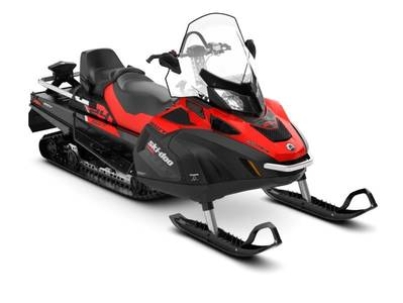
Unlike traditional snowmobiles — which can weigh 500–600+ lbs — a snowmobile bike typically weighs 250–350 lbs, enabling riders to lift, load, and maneuver in ways impossible with full-size sleds. This makes them ideal for backcountry access, avalanche training zones, forest service roads, and high-elevation exploration where width and weight restrictions apply.
Why Riders Choose a Snowmobile Bike
Three key advantages drive the snowmobile bike surge:
✅ Agility: Tight turning radius and stand-up riding position allow precise control in technical terrain
✅ Accessibility: Fits in standard truck beds (no custom trailer needed)
✅ Dual-season ROI: Convert your summer 2-Stroke Bike or Pit Mini Bikes platform into a winter weapon — maximizing machine utility
Pro riders, guides, and search-and-rescue teams increasingly rely on snowmobile bike platforms for their balance of speed, maneuverability, and low-impact trail use.
Top Snowmobile Bike Conversion Systems
We perform full conversions in 8–12 hours — including ECU remapping (to compensate for added drag and altitude), brake line extensions, and heated grip installation.
Ideal Base Bikes for Snowmobile Bike Builds
Not every motorcycle makes a great donor — ideal candidates include:
- Yamaha WR250F/450F — proven reliability, wide powerband, durable subframe
- KTM 300/350/450 XC-W — lightweight, electric start, excellent suspension
- Honda CRF250L/450L — street-legal option for road-to-trail access
- Kawasaki KLX300 — torquey, simple EFI, great value
Avoid heavily modified or vintage frames — conversion kits require OEM mounting points and frame rigidity.
Performance & Safety Upgrades
We optimize every snowmobile bike for real-world conditions:
🔧 Track tension tuning: Adjusted for snow type (powder vs. crust) and rider weight
🔧 Ski selection: Carbide runners (3″–6″) for ice grip; tapered skis for deep powder
🔧 Heated controls: OEM-style heated grips and thumb warmers (powered by stator upgrade)
🔧 Lighting: Auxiliary LED spot/flood bars (for legal dusk riding in CO, UT, WY)
🔧 Recovery gear: Integrated tow points, compact shovel mounts, and avalanche beacon pockets
All builds include a mandatory pre-ride safety checklist — developed with input from the American Avalanche Association .
Training & Responsible Riding
Operating a snowmobile bike demands unique skills:
- ✅ Take a certified course: Snow Bike Institute and Ride Utah offer beginner-to-advanced training
- ✅ Ride with a partner: Never go solo in avalanche terrain
- ✅ Carry safety gear: Avalanche beacon, probe, shovel — and know how to use them
- ✅ Respect trail rules: Many areas restrict snow bikes to designated routes — check with Snowmobile Associations (ISOC)
We partner with Backcountry Access to offer free beacon training with every new snowmobile bike sale.
Maintenance in Extreme Conditions
Cold, moisture, and snow ingestion accelerate wear — our winterization protocol includes:
- Synthetic chain lube (e.g., Motorex Snow Chain)
- Fuel stabilizer (ethanol-free recommended)
- Dielectric grease on all electrical connectors
- Post-ride freshwater rinse (to remove road salt and ice melt residue)
Track systems require seasonal inspection of idler wheels, drive cogs, and suspension bushings — we offer off-season storage and recommissioning services.
Snowmobile Bike vs. Traditional Snowmobile
Independent field tests by Snow Goer Magazine confirm snowmobile bike platforms outperform sleds in steep, technical terrain — while matching them in powder floatation.
The Future: Electric Snow Bikes & Hybrid Systems
Brands like Timbersled and Yeti are testing electric snowmobile bike prototypes — leveraging battery tech from the Sur-Ron Bike and Electric Bike sectors. Early results show instant torque, silent operation (ideal for wildlife zones), and reduced maintenance — though range remains ~30–50 miles per charge in cold temps.
We’re developing hybrid range-extender kits using compact 2-stroke generators — ensuring backcountry reliability without emissions trade-offs.
Ride Beyond the Season
A snowmobile bike isn’t just winter fun — it’s year-round capability reimagined. Whether you’re a motocrosser extending your season, a hunter accessing remote ridges, or an adventurer chasing first tracks, this hybrid platform delivers freedom no other machine can match.
Visit us for demos, conversion quotes, or avalanche safety workshops — and make every winter your deepest yet.
Featured Product
Sort By:
Rating